

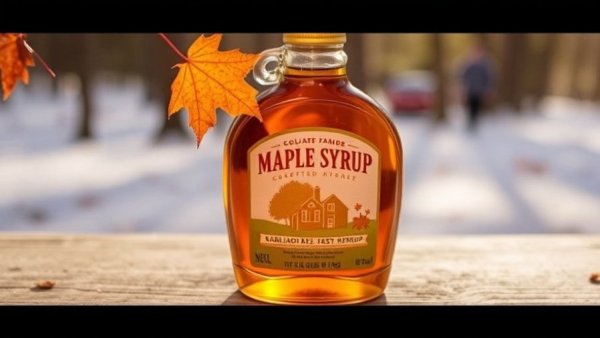
Maple Syrup: A Sweet Tradition Facing New Challenges
As warm days herald the arrival of spring, one of nature’s sweetest treasures, maple syrup, becomes the highlight of many breakfast tables. This golden delight has a rich history — a history that intertwines with Indigenous Peoples who first discovered the sap’s potential around present-day Quebec and Ontario. These cultures utilized maple syrup not just for its sweet taste, but also as a resource for preserving food and medicinal uses, demonstrating respect for nature and sustainability that resonates even today.
Modern Maple Syrup Production: Tradition and Innovation
Over centuries, the process of creating maple syrup has seen minimal changes in its basic approach. Traditionally, Indigenous Peoples tapped trees using simple wooden spouts to collect the sap in birch-bark containers, a practice that evolved seamlessly into today’s methods. In modern operations, producers harness technology, using tubing systems to transport sap efficiently to sugar houses where it’s boiled down into syrup. As Ray Bonenberg, a seasoned sugar maker, explains, the essential conditions for sap flow rely on a delicate climate balance: nights below freezing followed by warmer days. This interplay drives the production of one of Canada’s most iconic products.
The Health Benefits of Maple Syrup
Beyond its delectable sweetness, maple syrup presents potential health benefits. Recent studies, including a 2023 research project, suggest that it can support gut health by acting similarly to a prebiotic. This insight represents a fascinating intersection between wellness and culinary enjoyment, encouraging culinary enthusiasts and health-conscious individuals alike to consider maple syrup as more than just a simple sweetener.
The Impact of Climate Change on Maple Syrup
What initially feels like a stable, time-honored industry faces significant upheaval due to climate change. The stark reality is that Canada’s climate is warming at nearly double the global rate, affecting maple syrup production deeply. With research highlighting more erratic freeze-thaw cycles, producers find their sap season starting and ending unpredictably. As Bonenberg reflects, the fluctuations have altered traditional practices, making financial forecasting more complex and challenging for syrup producers across the region.
Understanding Climate Impact: The Bigger Picture
Climate change renders maple syrup production exceptionally vulnerable due to its reliance on stable weather patterns. The sweet trees require certain conditions to thrive; even slight alterations can impact yield drastically. Additionally, extreme weather events like heavy storms and pest invasions can decimate trees, which take decades to mature enough to tap. This understanding prompts a broader consideration of sustainability and environmental responsibility, encouraging everyone, including the wellness community in cities like Austin, to acknowledge their role in climate action.
Mitigating the Risks: Strategies for Future Sustainability
As challenges mount, innovative producers are exploring adaptive strategies to safeguard their harvests. This includes selecting more resilient tree varieties, adjusting tapping practices, and integrating environmental monitoring to protect against climate anomalies. Furthermore, supporting local producers not only helps sustain the maple syrup industry but also promotes a local economy committed to sustainable practices.
Your Role in Supporting Maple Syrup Sustainability
For those who love maple syrup and prioritize wellness, supporting local syrup producers can foster a sense of community and shared purpose. By choosing to purchase from local markets or directly from producers, consumers can make impactful choices that contribute to the health of both their communities and the environment.
Conclusion: A Call to Action
As we savor the sweet taste of maple syrup in our morning routines, it’s essential to recognize the broader forces at play that threaten this time-honored tradition. Everyone has a role in ensuring that the future of maple syrup is bright, from making conscious purchasing decisions to advocating for environmental sustainability efforts. Together, we can help maintain the delicate balance that supports our health, economy, and the planet.





Write A Comment