

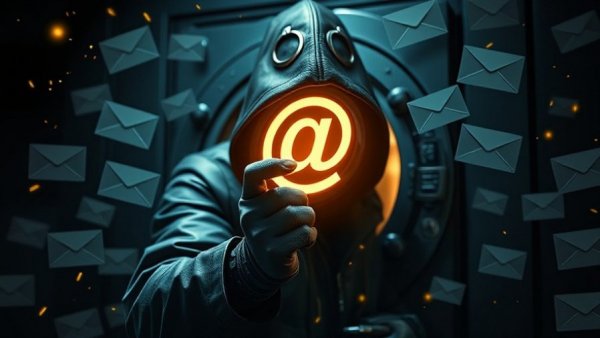
Your Email Could Be the Weakest Link in Your Financial Security
In an era where digital transactions are the norm, ensuring your financial security is of utmost importance. A recent warning has surfaced that highlights a shocking vulnerability: all it takes to compromise your bank account is a compromised email address.
Many individuals assume that having a strong password is sufficient protection, but the growing trend of phishing attacks reveals a disturbing reality. Bank passwords are often secondary to the access provided by a user’s email account. If a hacker gains entry to your email inbox, they can easily reset passwords and potentially access your bank, medical, and even retirement accounts.
Consider this alarming statistic: around 6 million Americans had their accounts overtaken last year, representing an 18% increase in such incidents compared to previous years. It’s evident that email security must be treated with the same urgency as banking passwords. With financial losses amounting to $15 billion annually due to email hacks, it’s time to reassess our digital habits.
Is Your Financial Information Safe? Understanding the Risks
Identifying the risks associated with financial information online is essential. Hackers are consistently developing sophisticated methods to infiltrate personal information, making everyday users susceptible to exploitation. For instance, sharing your email with various online platforms, from shopping sites to social media, increases the likelihood of it falling into the wrong hands.
Further compounding the issue, many consumers reuse passwords across different platforms, setting up a potential domino effect. One compromised account could lead to multiple financial setbacks. Therefore, the necessity for a dedicated email account, specifically for financial transactions, cannot be understated. This vault email acts as safeguard to separate your personal communications from financial ones.
Steps to Secure Your Financial Vault Email
Creating a separate email account can seem daunting, but it’s a simple and effective measure. Here’s how you can do it:
- Choose an Email Provider: Select a reputable email provider that offers robust security features.
- Set Up Your Account: Create a unique address that is not easily guessable. Avoid using your name or any common phrases.
- Enhance Security: Enable two-step verification whenever possible, opting for an authentication app rather than SMS, as the latter is vulnerable to SIM swapping attacks.
- Update Accounts: Change your existing account settings to use this vault email for all financial notifications and registrations.
- Be Vigilant: Regularly check your vault email for any unexpected messages or password reset requests.
By building and maintaining a vault email, you can mitigate risks and enhance your overall online security.
Future Insights: The Need for Digital Hygiene
As technology continues to evolve, so do the methods employed by cybercriminals. Adopting better digital hygiene practices now will help ensure your future safety. This isn’t just about protecting your finances, but also about maintaining your privacy across all platforms.
Contrary to popular belief, password managers, while useful, may not be a foolproof solution; vulnerable accounts often still lead back to a compromised email. Companies in the consumer technology sector, especially those based in Austin, are working tirelessly to innovate solutions and educate users on the importance of robust security. As such, engaging with these advancements—such as AI-driven security systems—can offer an additional layer of protection.
Actionable Insights for Everyday Security
In conclusion, the threat to your financial security is palpable, but there are proactive steps you can take. Regularly updating passwords, utilizing a vault email, and employing two-factor authentication are all essential measures to secure your accounts.
Take time today to evaluate your online presence and address the vulnerabilities that exist. Your financial future depends on it.





Write A Comment