
Understanding the Rise of Doomsday Prepping in America
In recent months, a wave of anxiety has swept across the nation, transforming the behavior of everyday consumers into something reminiscent of doomsday preppers. As technology outages and cybersecurity threats have become increasingly common, Americans of all demographics are beginning to rethink their preparedness for potential crises. This trend is not confined to fringe communities; it is making its way into the mainstream, prompting shoppers to stock up on essential survival supplies.
The Catalyst for Change: Recent Events
The transition towards heightened emergency preparedness can be traced back to a series of significant events. Analyst Steven Shemesh of RBC Capital Markets notes a concerning correlation between major technology failures—like the disruptions faced by online banking systems and air traffic control—and a spike in consumer purchases of emergency supplies at retailers like Costco and Walmart. This anxiety forms a potent cocktail when combined with the misinformation circulating on social media, particularly surrounding government announcements, creating a perception of an impending crisis.
Rising Consumer Demand: What Are People Buying?
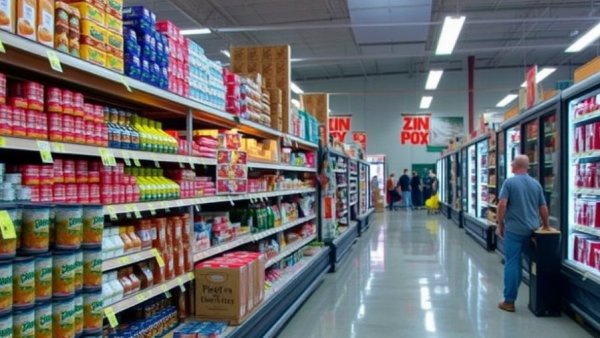
Data from market research firm Circana reflects this shift in consumer behavior, illustrating a marked increase in emergency-preparedness purchases. Sales of germicidal tablets, which remove contaminants from drinking water, surged by an astonishing 154% during the last weeks of October compared to the previous year. Meanwhile, household staples, such as disinfecting wipes and shelf-stable foods like ready-to-eat soups, saw increases of 72% and 20%, respectively. This uptick signifies a growing acknowledgment of the need for readiness in uncertain times.
The Psychological Aspect: Why Now?
As Nik Modi, global consumer and retail research lead at RBC, suggests, a convergence of anxiety-driven government actions and social media narratives has led many to adopt prepping behaviors. The media environment bombards individuals with signals of instability, making the preparation for emergencies seem not only sensible but necessary. This perspective shift aligns with a broader trend toward self-reliance in uncertain times, emphasizing not just material provision but psychological comfort.
Future Predictions: What Lies Ahead?
The trajectory of this trend is worth monitoring. If the current levels of stockpiling merely serve as a precaution, they may maintain momentum. However, should fears of technological vulnerability escalate further, retailers might find themselves experiencing a more substantial and prolonged spike in sales of doomsday supplies. Companies like Albertsons and Kroger could potentially reap the benefits of this growing consumer demand. Shemesh suggests that while today's stockpiling represents only a modest boost to sales, it could evolve into a more pronounced economic factor.
Community Impact: How Local Buyers Are Responding
Costco has seen a marked increase in foot traffic, partly credited to the heightened consciousness regarding cybersecurity. Reportedly, high-demand items, including generators and food essentials, are quickly depleting from inventory. This trend underlines how consumer behavior is not merely reactive but interwoven with community experiences, leading many to collectively invest in preparedness measures that impact local economies.
Final Thoughts: Navigating Today’s Anxiety
For consumers, the decision to engage in doomsday prepping is not solely about physical stockpiling. It symbolizes a psychological strategy against the backdrop of rising technology vulnerability and socio-economic unpredictability. By becoming better prepared, individuals find a sense of agency and control, enabling them to face uncertainty with confidence. Awareness and caution, propelled by recent events, will likely continue to influence how Americans perceive both their personal security and economic stability in an increasingly complex world.
To stay informed about such evolving consumer trends and how they affect you, engage with your local news sources and explore the broader implications of our shifting societal behaviors.



Write A Comment