

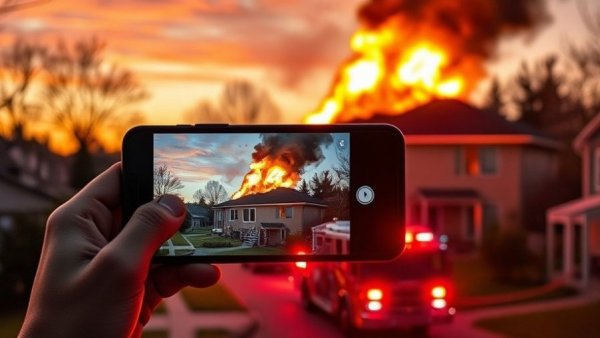
How 911 is Embracing Live Video to Enhance Emergency Responses
Every second counts in an emergency, and now technology is stepping in to save precious time. Imagine dialing 911 during a crisis and having the dispatcher able to see the situation as it unfolds, thanks to your smartphone’s camera. This innovative approach, already being implemented in various regions, is transforming emergency responses and potentially saving lives.
The Evolution of 911 Services
Traditionally, when someone calls 911, they provide a verbal account of the emergency. Most dispatchers rely on this information to coordinate immediate assistance. However, with the implementation of live video capabilities, dispatchers can now visualize the emergency situation. This allows first responders to get a clearer idea of what they face upon arrival, which ultimately leads to better preparedness.
Several counties, including Chesterfield County in Virginia, have adopted this approach, where dispatchers text a link during an active call. Tapping the link allows the dispatcher to see live video from the caller’s phone. Recent incidents, such as a house fire, showcase how this technology can shave off critical minutes from response time. A visual assessment through this method can alert responders to the severity of an incident before they even arrive on the scene.
The Mechanics of Sending Live Video During Emergencies
The process of sharing live video during a 911 call is deceptively simple yet profoundly impactful. When someone dials 911, the dispatcher asks whether the caller can share video, subsequently sending a text with a link to establish the connection. Once tapped, access is granted to the camera, microphone, and location, enabling dispatchers to see exactly what the caller sees. This live feed ceases once the call ends, ensuring privacy when the emergency is over.
This capability is becoming more prevalent across the United States, supported by an ongoing initiative from the Federal Communications Commission (FCC) to advance emergency communication systems that enable texts, photos, and now, videos.
Security Concerns and Misconceptions
With advancements in technology come security concerns. Callers must be aware that only a genuine 911 text will be sent while they are on the phone with a dispatcher. If a message arrives outside of this context, it’s likely a scam. Educating the public about these processes is essential to foster trust and ensure that people engage with this life-saving technology when it matters most.
Why This Matters: The Implications of Video Dispatching
The ability to share real-time video not only enhances emergency response but also empowers the community. Knowing that help can be more informed and prepared creates confidence in the system. It is a vital transition that reflects broader trends in how technology intersects with public safety and personal security.
Beyond immediate responses, this innovation aligns with consumer technology trends in Austin and nationwide, as the reliance on mobile devices for essential services continues to grow. From smart home devices that monitor conditions to health wearables that can alert emergencies, we live in an era where technology simplifies safety. The capability of sharing video during emergencies illustrates how consumer technology can directly enhance societal functions.
Everyday Readiness: Learning to Use Technology Efficiently
Incorporating knowledge about emergency procedures with technology understanding ensures that individuals are prepared for unexpected situations. Encourage family members, especially children, to be familiar with emergency numbers and how to interact with their phones during a crisis. Understanding quick actions, like using panic buttons on smartphones to expedite calling 911, can make a world of difference.
The prominence of mobile technology means individuals must also learn to communicate in emergencies effectively. For those areas without video capabilities, knowing how to text 911, leading with an address and keeping messages straightforward, proves crucial. In doing so, it’s equally important to avoid testing the system unnecessarily, focusing instead on genuine emergencies.
Conclusion: Embracing Change for Better Safety
The shift toward integrating live video capabilities into emergency services is a remarkable leap forward in consumer technology that demonstrates the profound impact it can have on everyday safety. As counties increasingly adopt this practice, knowing what to expect and understanding how it works will be critical for community preparedness. Staying informed not only empowers individuals but ensures we collectively harness technology to navigate emergencies better. Be proactive, stay connected, and embrace these advancements for a safer tomorrow.





Write A Comment