

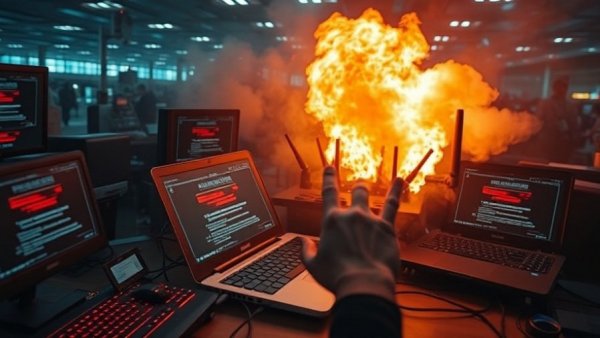
Zoom and CNN Hack Highlights Vulnerability in Major Systems
In a world where our lives are intertwined with digital systems, the recent hacking incidents involving major players like Zoom and CNN have raised significant concerns. Even though the reported outages for Microsoft services, the FAA, and banking giants like Chase were attributed to bugs, the real threat was a malicious code operation targeting 178 organizations.
Understanding the Real Threats
The hacking event that saw the release of malicious code was a wake-up call. Firms like Equifax and IKEA were implicated as the attackers exploited vulnerabilities in Optimizely, a service used for website testing. This highlights a scary reality: our personal information is at risk every time we engage with any online service. The malicious code was sophisticated enough to capture credit card details, expiration dates, and even security codes entered into checkout forms.
Preventing Future Security Breaches
As consumers, it's vital to become aware of the potential risks associated with digital transactions. Before shopping for the upcoming holiday season, implementing a couple of protective measures can safeguard your personal information:
- Utilize VPNs: Virtual Private Networks encrypt your data, making it harder for cybercriminals to intercept transactions.
- Monitor accounts regularly: Keep an eye on your bank statements for unauthorized charges.
- Employ unique passwords: Use a combination of numbers, letters, and special characters, changing them frequently.
Investigating Vulnerabilities in AI Coding
With artificial intelligence playing an increasing role in coding across systems, there's a growing concern over AI-driven vulnerabilities. Technological advancements are pitted against potential security breaches. Many software systems rely on AI-generated codes to streamline operations, creating additional complexities.
The feedback loop in the programmer community suggests we need to reassess how AI is applied in critical systems to prevent future hacks. Investing in training and awareness in cybersecurity will create better safeguards against exploitation, particularly as personal data becomes the new currency in the digital age.
The Potential Impact on Personal Technology Trends
Experts caution that businesses must take these recent breaches seriously, especially considering the depth of personal technology integration in daily life. As consumer tech becomes more entwined with our routine – from smart home technology to mobile payment systems – the stakes are higher than ever for data protection.
This incident's timing is critical; it underscores the importance of embracing emerging technologies while being vigilant against new threats. Understanding patterns in consumer technology trends, particularly in Austin where innovation is bubbling, is essential for maintaining trust in the marketplace.
A Lesson for the Future
Cybersecurity should not be an afterthought; it's time to integrate robust defensive strategies pre-emptively. Just as the tech landscape is transforming rapidly, our approaches to cybersecurity must evolve concurrently. That means adopting best practices, being proactive in monitoring, and maintaining an understanding of the tech we use daily.
In closing, the recent incidents involving recognized brands underscore a major risk that consumers must navigate. As we adopt more personal technology across various sectors, let’s prioritize data security and make informed choices at every step.





Write A Comment