

Understanding the Impact of a Hysterectomy on Women's Health
A hysterectomy, a surgical procedure that involves the removal of the uterus, is performed on over 1.2 million women in the United States every year. While some may consider it merely a necessity after menopause, many studies suggest that the consequences of this procedure can have lasting effects on a woman's health. Understanding what really happens to your body after a hysterectomy equips individuals with the knowledge to make informed decisions about their reproductive health.
In 'What REALLY Happens to Your Body After a Hysterectomy,' the discussion dives into the health implications following this surgery, prompting us to explore effective strategies for recovery.
The Role of Ovaries Beyond Reproduction
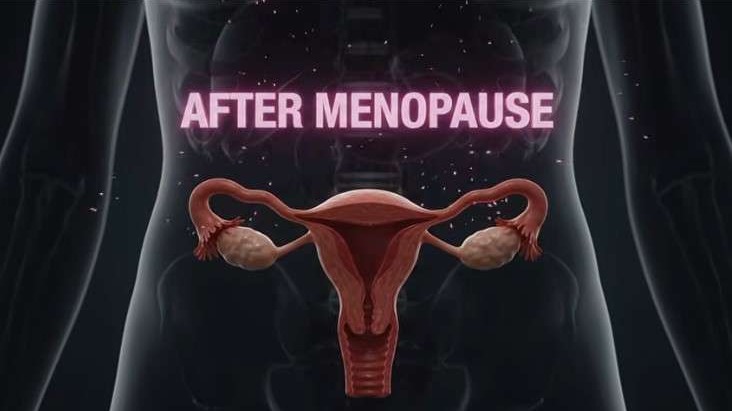
One common misconception is that the ovaries only serve to release eggs until menopause. In reality, these organs are crucial even after menopause. They continue to produce essential hormones such as estrogen, progesterone, and testosterone, which play significant roles in maintaining muscle mass, cognitive functions, and mood stabilization. The surgical removal of ovaries often leads to a drastic decrease in these hormones, resulting in symptoms such as fatigue, mood swings, and cognitive decline.
The Uterus: More Than Just a Baby Holder
Many women believe that the uterus’s only role is during pregnancy. However, its functions extend far beyond that. The uterus is vital for maintaining pelvic floor integrity, regulating inflammation, and supporting overall hormonal balance. Removing the uterus can disrupt the blood supply to the ovaries, potentially exacerbating hormone-related issues downstream. Additionally, women may experience complications such as bladder and bowel problems as a result of this surgery.
The Hormonal Crisis Following a Hysterectomy
The immediate hormonal crash post-hysterectomy can be alarming. Within just 48 hours, a woman’s estradiol drops by as much as 90%, while progesterone levels plummet to nearly nothing. This sudden shift can lead to a range of health issues including an increased risk of cardiovascular disease, osteoporosis, and, in some cases, premature death. Understanding these risks is crucial for women considering this surgery.
Strategies for Recovery After a Hysterectomy
To mitigate the potential adverse effects of a hysterectomy, certain lifestyle changes can be implemented proactively:
Intermittent Fasting: This approach can stabilize insulin levels, increasing the availability of estrogen and testosterone. By limiting food intake to specific windows, women can support their hormone levels more effectively.
Low-Carb Diet with High-Quality Proteins: A diet rich in animal proteins can combat muscle atrophy, especially in the absence of hormone support.
Resistance Training: Incorporating strength training exercises can stimulate the production of testosterone and maintain muscle mass.
Bioidentical Hormone Therapy: Consulting with a healthcare professional knowledgeable in bioidentical hormones can help address hormonal imbalances that arise post-surgery.
Vital Nutrients: Essential nutrients such as Vitamin D3, magnesium, and trace minerals like boron are crucial for maintaining bone health and overall vitality.
Understanding Your Healthcare Options
It is essential for women to discuss with their healthcare providers not just the immediate benefits but also the extensive implications of a hysterectomy. Knowing about alternatives, ongoing health risks, and comprehensive recovery plans can deeply enhance a woman's quality of life after surgery. Engaging with doctors who specialize in women's health can pave the way towards a more informed decision.
A Call to Action for All Women
If you’re considering a hysterectomy or have recently undergone one, understanding the potential health implications is vital. Implementing effective recovery strategies and seeking professional guidance can lead to improved outcomes. Embrace a holistic view of women's health, particularly in post-hysterectomy care, to ensure you live your best life.




Write A Comment