

Have You Ever Wondered What Sets Living in Austin Apart From Anywhere Else?
Have you ever wondered what really separates living in Austin from any other city in America? Whether it’s the buzzing live music, the quirky neighborhoods, or the unmistakable Texas charm, Austin offers an experience that keeps everyone talking—and moving here.
If you're considering moving to or visiting the Texas capital, you might be curious about what actually sets living in Austin apart from other major cities. Unlike the metropolises that define most urban Texas life, Austin offers a distinct blend of creative energy, high quality of life, and a casual, come-as-you-are vibe. From the ever-evolving job market to world-class higher education at the University of Texas, Austin embodies opportunity and open-mindedness, welcoming new residents every year seeking something unique.
In the paragraphs below, we’ll explore what it’s like to call Austin home. Not only will we break down housing costs, everyday living expenses, and public transportation—we’ll also highlight features like the live music scene, the outdoor treasures of Zilker Park and Lady Bird Lake, and the university’s influence on community life. You’ll read candid pros and cons about moving to Austin, and gain practical tips for thriving in this vibrant, slightly offbeat city. Whether you dream of food trucks, outdoor festivals, or tech industry careers, living in Austin offers a fresh perspective on what makes a city memorable and livable.
What You'll Learn About Living in Austin
Personal perspectives on living in Austin
The real lifestyle benefits and drawbacks
Cost of living and housing insights
Unique features of the University of Texas and UT Austin community life
Austin's live music scene and cultural highlights
Understanding job opportunities and the job market
Public transportation and getting around the city
Quality of life factors for residents
Why people are moving to or from Austin
Why Living in Austin Captures the Imagination
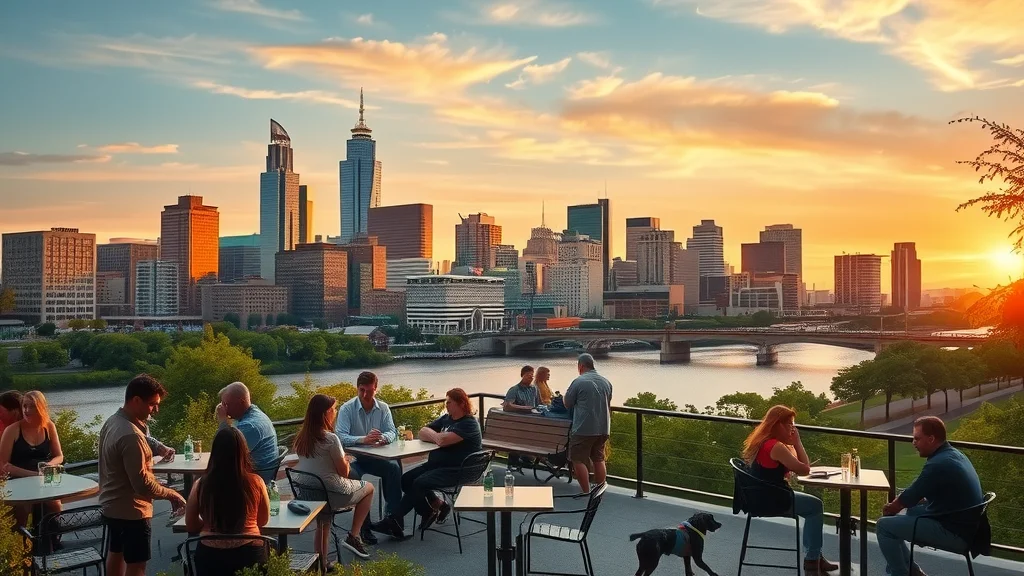
The Unique Vibe of Living in Austin
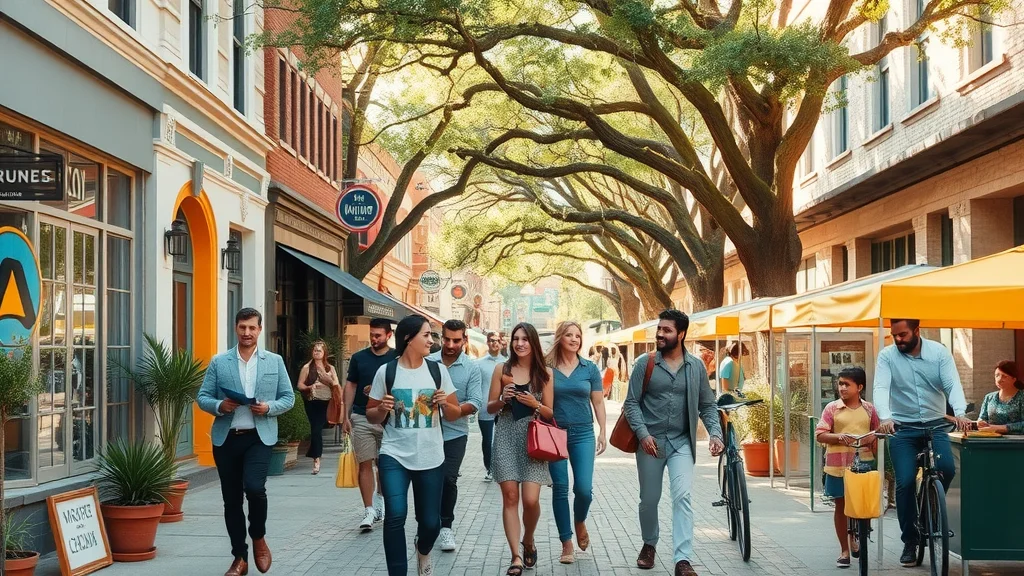
Living in Austin means embracing a city where eccentricity is not only accepted but encouraged. The city’s motto, "Keep Austin Weird," genuinely reflects the way people dress, the murals you’ll see downtown, and even the music echoing from every corner. Austin feels less like an anonymous big city and more like a sprawling, interconnected community. Weekends here might include stand-up paddleboarding at Lady Bird Lake, a night out on South Congress, or stumbling into a bluegrass jam in Zilker Park—and all on the same day.
The diversity of lifestyles is a key draw. Austin is home to tech innovators, students at UT Austin, foodies, musicians, and outdoor enthusiasts. There’s always a festival, a new restaurant, or an art event to explore, making every neighborhood distinct, whether you’re hanging out in East Austin or enjoying the family-friendly parks of Circle C. The city’s **live music** roots infuse daily life with energy; even the airport hosts concerts. Austin’s identity is built on a creative, open mindset—ideal for those who love both tradition and reinvention.
Comparing Living in Austin To Other Major Cities
When compared to other major cities like San Francisco, New York, or even Dallas, Austin’s laid-back feel stands out. There’s a balance of small-town friendliness and big-city innovation. While the cost of living in Austin has risen in recent years, it still generally remains more approachable than coastal hotspots like San Francisco, especially when it comes to housing and entertainment expenses. Austin offers more green space per resident and less congested traffic than many sprawling urban areas.
The sense of community here is genuine, and newcomers often remark on how easy it is to get involved, thanks to the city’s welcoming spirit and quirky festivals. That said, Austin is not immune to the pressures of growth: rising home prices and urban expansion echo trends seen in other booming cities. Yet what consistently sets it apart is its willingness to welcome new ideas and residents willing to add to rather than change its unique fabric.
"Austin is a city where individuality is celebrated, and every neighborhood tells a different story." – Local Resident
What Does Living in Austin Cost? Breaking Down the Cost of Living
Housing Costs: Renting and Buying in Austin
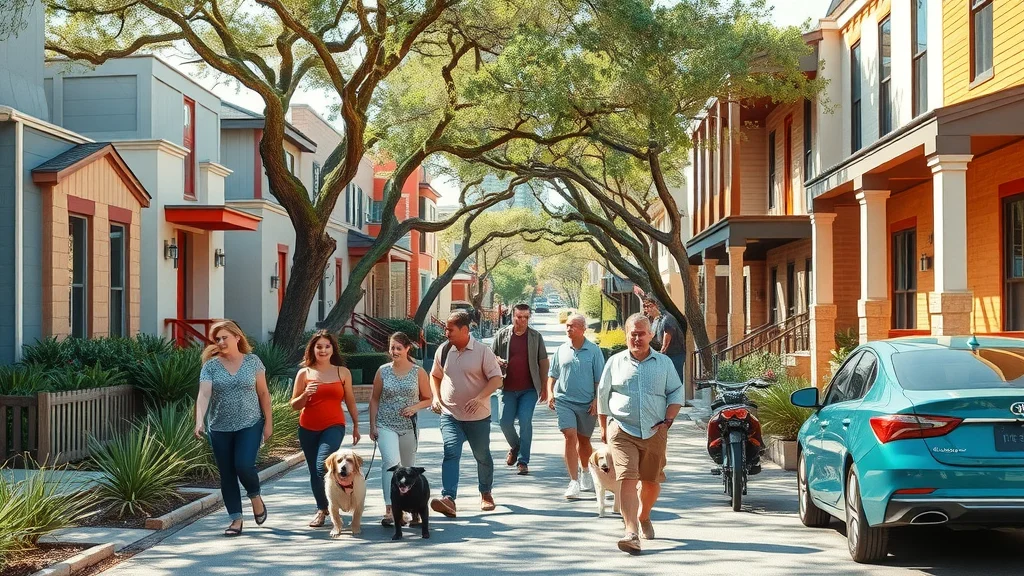
The housing costs in Austin have shifted dramatically in the past decade. While once known as an affordable alternative to coastal cities, Austin’s popularity has driven the median home price higher, though it still remains more accessible than markets like San Francisco. Renting an apartment in desirable neighborhoods like Hyde Park or South Lamar generally costs less than in tech-heavy hubs, but newcomers should expect competition and quick turnovers, especially during the peak “moving to Austin” season in spring and summer.
Buying a home can be challenging due to limited inventory and fast-moving listings, but one upside is the city’s variety: from trendy downtown condos to historic bungalows and family homes near top schools, Austin offers options for every lifestyle. Compared to other major cities, HOA fees and property taxes can be high, but many residents find the trade-off worth it for Austin’s neighborhoods and sense of community. If you’re a first-time buyer, you’ll want to work with a local agent who understands the rhythm of the Austin housing market and can navigate bidding wars that have become the norm. Overall, the cost of living here balances dynamic urban living with (still) pockets of relative affordability outside the city center.
Everyday Expenses and Cost of Living
Beyond housing costs, what should you budget for when living in Austin? Everyday expenses like groceries, transportation, and entertainment are usually in line with the national average, but some areas can surprise you
Transportation costs depend heavily on your lifestyle. If you work downtown and live nearby, public transit or biking can lower your expenses. Those in the suburbs often rely on cars, adding insurance, gas, and parking fees to your monthly budget. Austin’s live music and cultural calendar mean many residents prioritize entertainment and festival spending, while others focus on enjoying the many free outdoor activities.
Comparison Table: Austin vs. San Francisco — Monthly Costs |
||
Category |
Austin |
San Francisco |
|---|---|---|
Median Rent (1-Bedroom) |
$1,500 |
$3,000+ |
Utilities |
$150 |
$200 |
Transportation |
$100–$150 |
$200+ |
Groceries |
$300–$400 |
$450–$600 |
Quality of Life |
High |
High, but more costly |
How Much Salary Do You Need for Comfortable Living in Austin?
The required salary for comfortable living in Austin depends on your lifestyle and whether you’re renting or owning. For a single person, most financial planners recommend a salary of $50,000–$70,000 to enjoy city life without major stress—noting this includes rent, groceries, transportation and occasional nights out in one of Austin's renowned music venues. For families, the target rises, factoring in schooling, larger homes, and healthcare, with $90,000–$110,000+ providing a comfortable cushion. Naturally, these numbers flex depending on which part of the city you want to live in, as well as how much you indulge in the city’s many entertainment options.
Because Austin offers robust career opportunities in tech, healthcare, and education, many residents find it easier to manage city living with two incomes. Compared to the national average for housing or groceries, Austin’s cost of living remains competitive—even as the city grows. Ultimately, thoughtful budgeting and realistic expectations will ensure you enjoy the best of what Austin has to offer.
The Job Market and Job Opportunities When Living in Austin

Austin’s Unemployment Rate and Local Economy
Austin’s job market has consistently outperformed the national average, with an unemployment rate that remains lower than many comparable major cities. The city’s diverse local economy is driven by the tech sector (with a strong footprint from Apple, Google, and Dell), higher education, a burgeoning creative industry, healthcare, and a healthy dose of entrepreneurship. Even during national downturns, job opportunities in Austin held strong—making it an attractive destination for anyone seeking career growth or career changes.
This economic vitality fuels much of Austin’s ongoing growth. The city has produced thousands of new jobs annually, attracting top talent from around the country. For newcomers eager to tap into Austin’s professional buzz, networking comes naturally—many jobs are landed through community events, meetups, or university alumni connections. The presence of the University of Texas further bolsters the city’s profile as a hub for innovation and skilled graduates, ensuring a continuous pipeline of educated job seekers adding energy to the market.
Top Job Opportunities and In-Demand Industries
Tech is king when it comes to job opportunities in Austin, earning the city the nickname "Silicon Hills." Startups, mid-sized firms, and multinational giants all have a presence, and the city’s growing need for software engineers, product managers, designers, and support staff opens doors to professionals at every level. But it’s not all about tech: Healthcare, clean energy, education, and Austin’s robust creative industries are also formidable employers.
Thanks to the influence of UT Austin and the city’s reputation for innovation, many residents find ways to blend their careers with creative pursuits—think tech professionals moonlighting as musicians or educators running small-batch food businesses. For those in search of job security, Austin’s economy is widely viewed as stable and future-focused compared to the boom-bust cycles elsewhere. And, with an agreeable cost of living and quality of life, job growth here continues to attract professionals of all ages.
Why Tech Workers Are Moving to Austin (and Sometimes Moving Away)
It’s no secret that the tech boom has sent waves of new residents moving to Austin. The promise of more affordable living, creative freedom, and a less congested city has lured tech talent away from hubs like San Francisco and Seattle. Many cite Austin’s “work hard, play hard” ethic and its deeply supportive professional communities as reasons for making the jump. In fact, new tech campuses and startups seem to open every month, bringing with them a steady pipeline of fresh job opportunities.
However, the influx of tech workers has also increased housing demand and expenses. Some longtime residents—and even newcomers—have been priced out, prompting moves away from the city or shifts to more affordable suburbs. Other concerns include infrastructure challenges, rising traffic, and preserving Austin’s unique cultural identity amid rapid urbanization. Regardless, the city’s collaborative spirit means there’s ongoing dialogue on how to balance growth and community authenticity—making living in Austin as dynamic as the market itself.
Educational Excellence: The Influence of the University of Texas and UT Austin
Living in Austin as a Student: Campus Life
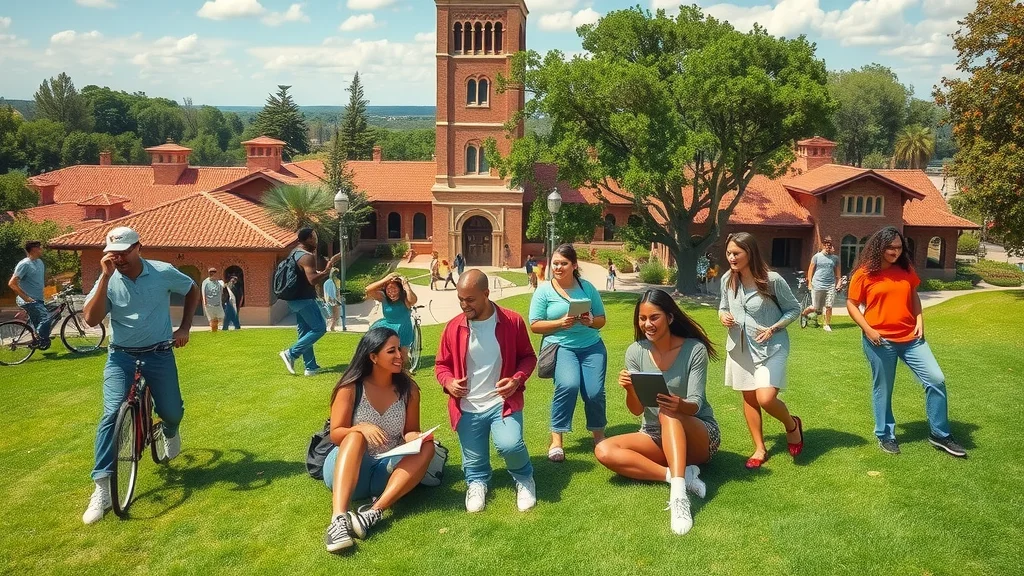
Living in Austin as a college student is an experience unlike any other. The University of Texas (UT Austin) is not just a top-ranked public university, but a cultural hub at the heart of the city. Its dynamic campus spans acres of green spaces and historic buildings, and student life is replete with traditions—think Longhorn football games, the bustling West Campus, and iconic events like Gone to Texas. As a student, you’ll have access to world-class libraries, trails along Lady Bird Lake, and the full calendar of music, arts, and athletic events that make UT Austin a city within the city.
The energy doesn’t end at graduation. Many alumni choose to remain in Austin thanks to the strong career pipeline into local industries and the university’s extensive community involvement. Campus and city life blend repeatedly, whether it’s community service projects, research partnerships, or arts collaborations with downtown museums and theaters. For anyone passionate about higher education and a true college town atmosphere, Austin is a place where ambition and creativity intersect on a daily basis.
Cultural Impact of the University of Texas on Austin
The influence of UT Austin reaches far beyond the classroom. More than just a provider of higher education, the university acts as a cultural beacon for the whole city. Its vibrant arts scene includes the Blanton Museum of Art and thousands of annual performances, lectures, and festivals. This cultural involvement ensures that even non-students regularly find themselves drawn to campus events, and many of the city’s creative breakthroughs have origins in university labs, studios, or think tanks.
The UT community is a core part of Austin’s diverse population, drawing students, faculty, and researchers from all over the globe. This diversity enriches the city’s food scene, nightlife, and local businesses, which cater to both traditional and adventurous tastes. Whether you’re an incoming student, a faculty member, or simply a lifelong learner, Austin’s identity cannot be separated from the creative spark of the University of Texas.
Experiencing the Outdoors: Zilker Park and More While Living in Austin
Why Zilker Park is a Centerpiece of Austin Living

No adventure in Austin is complete without a walk, run, or lazy afternoon in Zilker Park. This sprawling green space is the heart of recreational living in Austin, positioning itself as a favorite local escape and venue for community events like the famous Austin City Limits festival. Located at the intersection of the urban core and wild hill country, Zilker draws families, singles, and visitors for picnics, paddleboarding in Barton Springs Pool, or exploring the Botanical Gardens.
The park also acts as a gateway to natural wonders such as Barton Creek Greenbelt, Lady Bird Lake, and endless bike/run trails. It’s a place where Austin’s playfulness and love of the outdoors meet, with yoga classes, food trucks, and drum circles as common as frisbee games and dog walking. Zilker’s magnetic charm showcases what’s best about Austin’s balance between city excitement and natural peace—no wonder it’s a must-visit for every newcomer!
Other Green Spaces and Activities Unique to Living in Austin
Beyond Zilker Park, Austin is dotted with green spaces and hidden gems. Lady Bird Lake offers miles of scenic trails, kayak rentals, and the opportunity to watch the famous Congress Avenue bat flights at dusk. Further out, Lake Travis becomes a weekend getaway with boating, camping, and lakeside dining. For those who crave adventure, the Barton Creek Greenbelt provides rock climbing, swimming holes, and some of the state’s best hiking close to downtown.
Many neighborhoods are lined with pocket parks, community gardens, and playgrounds, making the outdoors accessible year-round. The city’s commitment to sustainability and recreation helps maintain Austin’s high quality of life and attracts residents who value health and adventure as a central part of their city living.
The Music Never Stops: Live Music and Culture While Living in Austin
Must-See Live Music Venues Across Austin
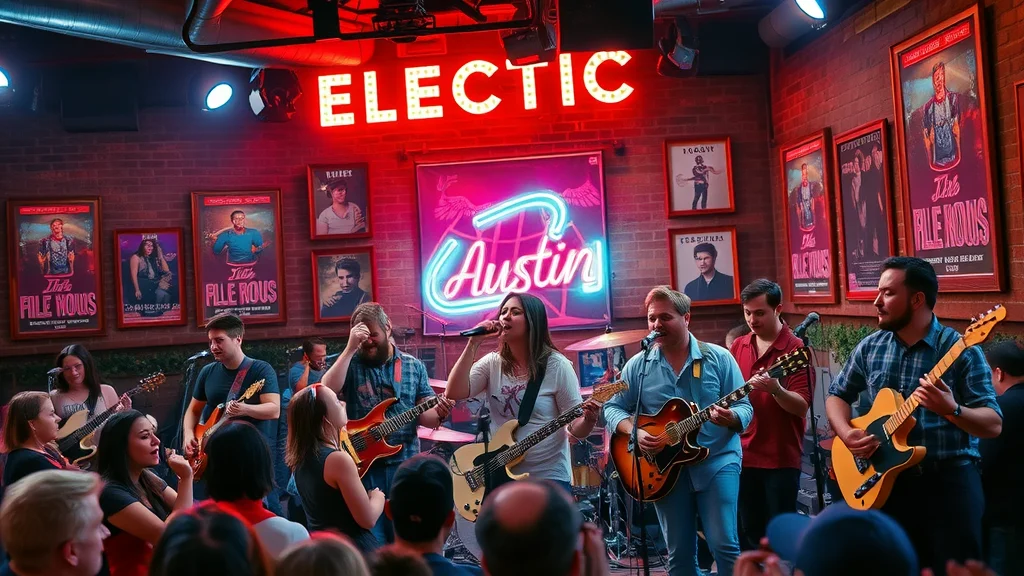
Austin proudly claims the title “Live Music Capital of the World,” and for good reason. The city brims with legendary and up-and-coming venues. From the iconic Continental Club and Mohawk to the quirky charm of The White Horse and the State Theatre, there’s a stage for every genre and ear. On any given night, local acts, visiting stars, and secret performances light up the city, offering a musical journey that never grows old.
Festivals like South by Southwest (SXSW) and Austin City Limits deliver international acclaim, but it’s often the hole-in-the-wall bars, listening rooms, and open-air patios that electric regulars and newcomers alike. The diversity of Austin’s live music scene ensures that a stroll down Sixth Street or a stop in the Red River District will lead to a memorable discovery—whether you crave blues, indie rock, country, hip-hop, or Latin grooves.
Beyond the stage, Austin’s music roots reach into city policy, with new developments prioritizing venue-friendly zoning and musician support programs. As a result, the city isn’t just a playground for listeners; it’s a launchpad for aspiring talent. Living in Austin means there’s always a show around the corner—and the whole city feels like one big, inviting concert.
Signature Festivals and the City’s Creative Heart
In Austin, the creative heart beats strongest at its many festivals. Austin City Limits and South by Southwest attract audiences from all over the globe, blending music with tech, film, and innovation. But the city’s festival spirit extends year round, from music to food, art, and cultural celebrations for every community group. Local gems like Eeyore’s Birthday or the Pecan Street Festival highlight Austin’s quirky, welcoming nature—and draw locals out of their routines.
The presence of the University of Texas, vibrant neighborhoods, and a supportive government ensure creative projects flourish. Museums like the Blanton Museum of Art, the Thinkery, and countless galleries offer inspiration to residents young and old. Austin’s calendar is packed year-round, making participation in city life easy and rewarding for creative souls of every age.
Public Transportation and Navigating Austin
Is Public Transportation in Austin Convenient?
Overview of Austin Metro, buses, and commuter lines
Bikeability, walkability, and ridesharing
Pros and cons compared to owning a car in Austin
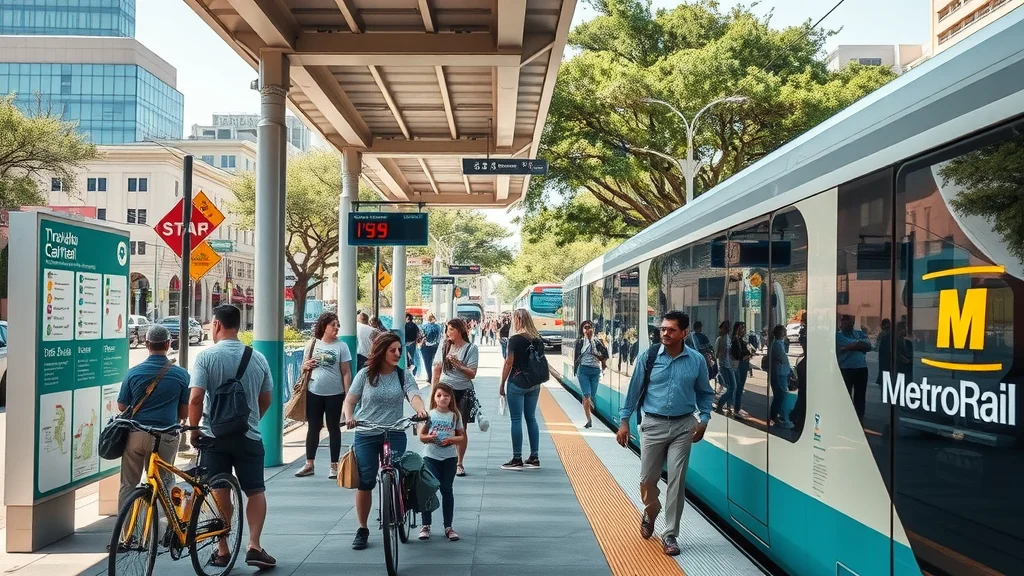
For newcomers pondering the conveniences of public transportation, Austin offers a growing yet still evolving transit system. The city’s Capital Metro includes bus lines and the MetroRail, which connects popular neighborhoods, the airport, and important city spots. While improvements have been made, public transit remains most effective for those living and working near downtown or along main corridors.
Increasingly, residents rely on bike lanes, scooters, and rideshare apps to get around. Austin’s central areas score high for walkability and overall mobility, making car ownership optional in places like Downtown, South Congress, or the University of Texas campus. But for those in outlying neighborhoods, a car is still essential for daily errands or school pickups. City planners continue to invest in public transit options, hoping to keep up with population growth, reduce congestion, and make living in Austin increasingly sustainable. If you’re passionate about green living or want to ditch your car, plan your housing near existing or future transit lines for the best results.
Quality of Life: What Makes Living in Austin Exceptional or Challenging?

Weather, Recreation, and Urban Growth
When weighing the overall quality of life, Austin shines in categories like weather (balmy winters, long spring and fall), outdoor amenities, and accessible recreation. Residents are never far from park trails, dog runs, or a swim in Barton Springs Pool. However, the city’s rapid growth has brought both opportunities and challenges: urban sprawl has increased commute times in certain areas, and the city’s infrastructure routinely works to keep up with new arrivals.
That being said, Austin’s expansion has also brought better entertainment, retail, and dining; neighborhoods that were once overlooked now thrive as magnets for families and young creatives alike. Despite some growing pains, the city retains its friendly, neighborly feel—something that makes even longtime residents smile.
Social Diversity, Local Food Scene, and Nightlife
Austin’s mix of cultures ensures a vibrant local food scene, where you can sample everything from barbecue and Tex-Mex to vegan food trucks, fusion cuisine, and global flavors. The nightlife is both legendary and approachable: live music, breweries, cocktail bars, night markets, and the famous Rainey Street district provide entertainment for nearly every taste and budget. Community events, farmer’s markets, and art shows cement Austin’s status as a city that’s easy to enjoy, whether you’re solo, partnered, or raising a family.
Social diversity flourishes through Austin’s inclusive approach and a steady stream of newcomers. Neighborhood groups, professional associations, and curated festivals break down barriers fast, making it easy for anyone new to quickly feel at home. If you value open-minded conversations, spontaneous meetups, and good food, you’ll likely thrive living in Austin!
Room for Improvement in Austin’s Quality of Life
No city is perfect, and living in Austin does come with its challenges. Rising home prices have made affordable housing a clear priority for city leaders. Traffic congestion, especially during rush hour or major events, can frustrate longtime and new residents alike. As more people move in, the city must balance growth with sustainability—expanding infrastructure and services without losing its signature character. Still, ongoing investment in public spaces, green initiatives, and new transit projects point to a city tackling these challenges head-on.
Community activism and city government continue to drive improvements through policies supporting renters, sustainable housing, and equitable transportation. Most longtime Austinites view these growing pains as a small price to pay for the chance to live in one of America’s most dynamic and welcoming cities.
Why Are People Moving to Austin…And Why Are Others Leaving?
Popular Reasons for Moving to Austin

Many new residents are attracted by the strong job market, unique culture, and quality of life that living in Austin offers. For tech and creative professionals, Austin presents a rare combination of career advancement, a laid-back lifestyle, and a welcoming community. Families often point to excellent schools, safe neighborhoods, and a wealth of parks and outdoor activities. Foodies, music lovers, and entrepreneurs all cite the city’s inclusiveness and ready access to entertainment and nature as reasons for moving to Austin.
Another major draw is the city’s reputation for innovation. Whether it’s a startup, a local food market, or a new band, Austin makes room for dreamers and doers of all backgrounds. As a result, the city continues to attract people ready to be part of something bigger and more interesting than themselves—a hallmark of a great place to live.
Factors Causing Residents to Leave Austin
But not everyone decides to stay. As housing costs rise and urban development accelerates, some residents have priced out of their preferred neighborhoods or face longer commutes. Competitive housing costs, increasing traffic, and worries about gentrification lead some Austinites to seek out more affordable suburban communities or to relocate altogether. Others may miss the quieter, smaller Austin of years past or find the city’s heat and growth overwhelming.
While these challenges have impacted retention, ongoing efforts to balance rising costs, infrastructure needs, and community identity continue to shape Austin’s next chapter. The dynamic population shifts reinforce how living in Austin requires adaptability, but also present the chance to help shape a world-class city’s future.
Living in Austin: Essential Lists for Newcomers
Top neighborhoods for newcomers: Hyde Park, Mueller, South Congress, Circle C, East Austin
Best local markets and restaurants: Central Market, H-E-B, Franklin Barbecue, Veracruz All Natural, Launderette
-
Preparation checklist for moving to Austin:
Secure housing before peak moving season
Register your car and update driver’s license
Explore local schools and childcare options
Download biking and bus apps for easy navigation
Join a neighborhood or professional group to meet new people
Expert Opinions: Quotes on Living in Austin
"Austin has a rhythm all its own – there’s a genuine sense of possibility here for everyone." – Austin Relocation Specialist
People Also Ask About Living in Austin

Is Austin Texas a good place to live?
Ask around, and most residents will say yes! The city’s energetic communities, strong job market, highly ranked schools like those at the University of Texas, and unparalleled music scene make living in Austin both fun and rewarding. It’s increasingly diverse and full of opportunities for growth, with easy access to nature, arts, and a vibrant food scene.
What salary is needed to live comfortably in Austin?
For singles, a pre-tax salary between $50,000 and $70,000 is recommended to cover cost of living and enjoy the city’s amenities. Families may want to aim for $90,000 or more, especially if considering private schools or larger homes. Budget for housing costs, transportation, and Austin’s active entertainment scene when planning your move.
Why are people moving away from Austin?
The primary reasons are rising home prices and rapid urban growth, which have increased the cost of living and traffic congestion. Some residents also seek quieter neighborhoods or a slower pace of life found in neighboring areas or other Texas cities. Despite these drawbacks, many believe Austin’s distinctive culture and opportunity are worth the challenges.
What is the vibe in Austin, Texas?
Friendly, creative, and entrepreneurial. Austin celebrates both weirdness and hard work, blending a laid-back approach to life with a determination to innovate and shape the city’s future. Expect plenty of live music, festivals, and a “come as you are” energy in every neighborhood.
Answers to PAA Questions
Is Austin Texas a good place to live? Answer:
Yes—Austin’s mix of urban excitement, top universities, vibrant music scene, and welcoming communities make it widely regarded as a great place to live. Many residents cite the high quality of life, abundance of career opportunities, and the city’s unique personality as main reasons for loving it here.
What salary is needed to live comfortably in Austin? Answer:
Most experts recommend a yearly income of at least $50,000 for singles and $90,000 for families, which should cover housing, transportation, and entertainment. The cost of living is manageable with a stable job, especially for those working in Austin’s thriving technology or healthcare sectors.
Why are people moving away from Austin? Answer:
People leave Austin due to rising housing costs, urban congestion, and lifestyle factors such as family needs or preference for less populated areas. Some also find the city’s rapid pace not to their liking, or wish to escape the heat and high summer utility costs.
What is the vibe in Austin, Texas? Answer:
Austin’s vibe is open, innovative, and inclusive. The city welcomes newcomers, encourages individuality, and thrives on local art, food, and music. It’s famously friendly, informal, and always ready for a festival or community event.
Frequently Asked Questions About Living in Austin
How does Austin compare to other Texas cities? Austin stands out for its focus on technology, music, university culture, and green spaces, making it more progressive and creative than many Texas peers like Dallas or Houston.
What is the weather like in Austin? Austin experiences hot, sunny summers and mild winters. Spring and fall are especially pleasant, with frequent outdoor events and festival weather.
Is Austin family friendly? Absolutely. Many neighborhoods are designed with families in mind, featuring top-rated schools, playgrounds, parks, and community events throughout the year.
What should newcomers expect from Austin’s community? Expect openness to new faces and ideas, access to neighborhood groups and professional networks, and invitations to explore local art, music, and food.
How easy is it to travel to nearby cities from Austin? Austin sits in central Texas, making it a short drive or quick flight to San Antonio, Houston, and Dallas. The city’s airport connects residents to destinations across the continent and beyond.

Key Takeaways: What Sets Living in Austin Apart
Austin’s dynamic culture and strong community spirit
Balancing quality of life with rising costs
Unique job opportunities and educational institutions
A city that attracts creatives, professionals, and dreamers alike
Ready to Experience Living in Austin? Connect With Local Resources
To learn more about living in Austin, Texas' capital city, visit AustinLiving.us today!
Ready for your own adventure? Dive in and discover what makes living in Austin unique!
For an even deeper dive into the essentials of calling the Texas capital home, consider exploring Living in Austin: Things to Know Before You Move. This resource offers firsthand insights into neighborhoods, the job market, and the unique lifestyle Austin provides—perfect for anyone considering a relocation or simply curious about daily life in the city. If you’re serious about living in Austin, these resources will give you valuable, practical knowledge to help you make the most of your move.


Write A Comment