

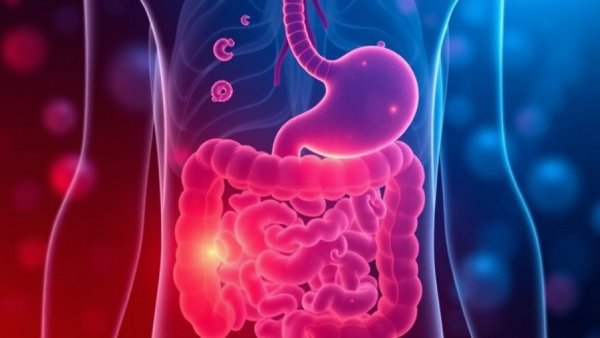
The Surprising Link Between Gut Health and Hormones
The gut microbiome isn't just a player in digestion; it holds a significant role in other bodily functions too. While many associate gut health merely with constipation or cramping, it also governs inflammation control, nutrient absorption, and even hormonal balance. For women, this connection becomes increasingly pivotal as they navigate hormonal fluctuations through various life phases. "Many women do not realize how closely gut health and hormonal health are connected," notes naturopath Michèle Webb. When hormonal symptoms persist, considering the health of the gut might shed light on the underlying issues.
How Gut Microbiome Influences Hormonal Health
Hormonal symptoms such as PMS, mood swings, or even physical symptoms like bloating can often trace back to gut issues. The estrobolome, a unique set of gut microbes, is crucial in managing estrogen levels within the body. A 2022 study revealed stark differences in gut composition between women experiencing PMS and those who weren’t. Though this research doesn’t proclaim that the microbiome directly causes PMS, it highlights the undeniable interplay between gut health and hormonal responses.
The Stress Factor: A Two-Way Street
Chronic stress has been identified as a major disruptor of gut balance, or dysbiosis. This relationship is complex: while stress can hinder digestion, the gut also plays a significant role in how we respond to stress. Ania Graczyk, ND, explains that repeated stress triggers the sympathetic nervous system, impacting normal cortisol rhythms. This imbalance can lead to gut dysfunction, which in turn affects our hormonal health. A healthy gut microbiome can equal better hormonal regulation.
Thyroid Health and Its Gut Connection
Thyroid conditions, particularly autoimmune ones like Hashimoto’s thyroiditis, can be challenged by poor gut health. Thyroid function relies on nutrients absorbed through the gut, while in turn, thyroid hormones influence gut motility. Disruption on either side can create a vicious cycle, impacting both thyroid function and gut health. Interventions focusing on improving gut health could thus positively influence thyroid issues, aligning with an overall health and wellness strategy.
The Estrogen Removal Process and Gut Function
When it’s time for estrogen to exit the body, the liver attaches a tag for removal, allowing it to pass through bile to the intestines for elimination. However, certain gut bacteria can interfere with this exit strategy. If the gut microbiome is unhealthy, some bacteria may reactivate estrogen, leading to symptoms associated with high estrogen levels, such as bloating and breast tenderness. Maintaining a balanced gut microbiome can facilitate smoother hormonal processing.
Practical Tips for Maintaining a Healthy Gut
To support optimal gut health and hormonal balance, consider implementing these practices:
- Probiotics: Including foods rich in probiotics, like yogurt and fermented vegetables, can support a healthy microbiome.
- Diverse Diet: A variety of fruits, vegetables, and fibers fosters diversity in gut bacteria.
- Manage Stress: Explore relaxation techniques such as yoga or meditation to decrease chronic stress levels.
Taking Action for Better Health
By understanding the interconnectedness of gut health and hormones, individuals can make informed choices that foster not just digestive health, but overall wellness. Embracing holistic approaches can lead to improved physical, mental, and emotional health.




Write A Comment