

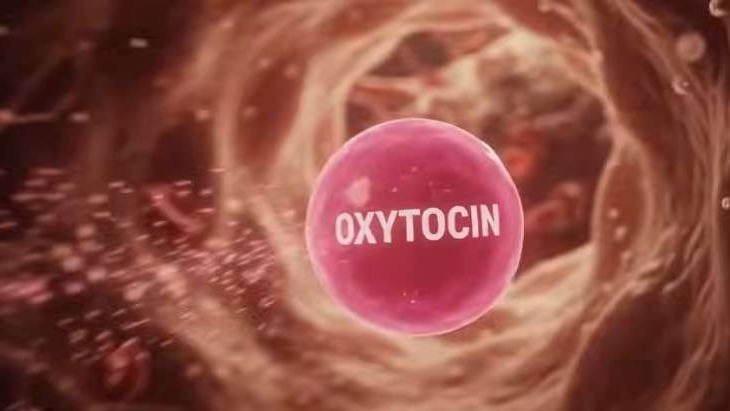
Understanding Oxytocin: Much More Than a Love Hormone
Oxytocin, often dubbed the "love hormone," plays a more intricate role in our lives than we might assume. This hormone, produced by the hypothalamus in the brain, does play a pivotal part in social bonding, pregnancy, and breastfeeding, but its responsibilities extend far beyond the realms of affection and maternal instincts. It's better understood as a "volume control amplifier" that helps regulate responses and behaviors crucial for human survival, particularly in social situations.
In 'Stressed? Top Signs You're Low in Oxytocin', the discussion dives into the importance of this hormone and its effects on mental health and relationships, prompting a deeper analysis on its impact.
Recent studies reveal oxytocin amplifies attention to critical survival signals, like a crying baby or a distressed partner, honing our focus and prompting protective behaviors. As stress levels rise, so does oxytocin, allowing us to further manage and alleviate these pressures. Thus, comprehending the nuances of this hormone is vital, particularly for those struggling with emotional connections or prolonged stress.
Signs You May Be Low on Oxytocin
Recognizing low oxytocin levels is crucial for understanding emotional well-being and social interactions. Here are some indicators:
Emotional Dissonance: Feelings of emotional distance or numbness can be a sign of oxytocin deficiency.
Lingering Stress: Unexplained anxiety or prolonged stress without a clear cause may point to oxytocin-related issues.
These symptoms can lead to various complications, affecting mental health and day-to-day interactions.
Factors That Contribute to Lowered Oxytocin Levels
Several factors can negatively impact oxytocin levels, including environmental situations and lifestyle choices:
Substance Abuse: Alcohol and opioids are known to reduce oxytocin.
Childhood Experiences: Trauma, neglect, or abuse can have profound impacts on hormonal health.
Lack of Sleep: Insufficient rest can disrupt hormonal balance, including oxytocin.
Boosting Oxytocin: Practical Tips for Everyday Life
Increasing oxytocin levels can be achieved in various ways that promote emotional connections and social interactions. Here are some effective methods:
Physical Affection: Regular hugs or affectionate touches can naturally boost oxytocin.
Building Relationships: Spending quality face-to-face time with friends and family enhances emotional ties.
Pets: Interacting with animals can elevate our oxytocin levels significantly.
Quality Sleep: Ensuring restful sleep restores hormonal balance.
The Surprising Role of Gut Health in Oxytocin Levels
Interestingly, our gut health also plays a significant role in the production of oxytocin. The microbe Lactobacillus reuteri, found in specific yogurt cultures, has been linked to boosting oxytocin levels. How can this little-known probiotic assist?
This beneficial microbe enhances gut health and sends vital signals to the hypothalamus, prompting the production of more oxytocin. This relationship also helps improve mood by enhancing dopamine and serotonin levels, further supporting social interactions and reducing cortisol.
Connect with the Austin Wellness Community
In cities like Austin, a growing wellness community emphasizes the importance of holistic practices that can support mental and physical health. Local fitness and health centers encourage community involvement, offering classes and workshops designed not just for physical fitness but emotional well-being as well. Being a part of such communities has the potential to enhance oxytocin levels through social bonding and collective wellness practices.
Call to Action: Download Your Free Checklist
Understanding how to boost your oxytocin levels is essential for improving emotional health. For more information, I invite you to download my free daily routine checklist, streamlined to boost your vitality and promote wellness. This practical tool can help guide you on your journey toward better health. Don't miss it—it's only a click away!




Write A Comment