 Add Element
  Add Row

A Surprising Look at Moving to Austin — Why More People Move to Austin Every Year

What exactly makes this city such a magnet for newcomers, and how does its rapid growth affect life for new residents?
The Phenomenal Growth of a Growing City
Moving to Austin has turned into a massive trend for young professionals, families, and retirees alike. This dynamic city boasts a booming job market, world-class technology sector, and a creative energy that runs through everything from art to food. As the city of Austin expands, newcomers benefit from a wide range of new amenities—yet face stiff housing competition and evolving neighborhoods. Understanding these changes is key: new development brings both opportunity and challenges, while Austin’s green spaces, central river, and cultural scenes continue to draw in people hoping to enjoy the best of both urban and outdoor life. It’s essential for anyone considering a move to truly grasp what’s fueling Austin’s phenomenal growth to set realistic expectations for your future here.
What You'll Learn About Moving to Austin
How to assess the cost of living in Austin
Navigating Austin’s job market
Choosing the right neighborhood like East Austin and South Austin
Discovering Austin’s outdoor activities and live music scene
Understanding local culture and avoiding common relocation mistakes
Move to Austin: Preparing For Your Relocation
Understanding the Cost of Living in Austin
Before you move to Austin, it’s crucial to analyze the real cost of living in the city. While Austin can seem more affordable than some West Coast hubs, costs have steadily risen in recent years. Monthly rent in popular neighborhoods like East Austin or South Congress can be surprisingly high, mirroring trends you’d expect in a major metropolitan area. In addition to housing, newcomers need to factor in transportation—especially if you plan to commute, as options in the city of Austin can affect budgets. Don’t forget utilities, which climb during those famous Texas summers, and grocery prices, which tend to be slightly above the national average, especially in fast-growing districts. Understanding these expenses up front helps you avoid being blindsided and set a solid foundation for a successful relocation.
Cost of Living Breakdown |
|
Category |
Average Monthly Cost |
|---|---|
Housing (1BR apartment) |
$1,500–$2,000 |
Utilities (electricity, water, internet) |
$175–$250 |
Transportation (car or public transit) |
$80–$250 |
Food (groceries & dining out) |
$350–$600 |

Budget Planning for Your Move to Austin
Setting a realistic moving budget
Estimating moving company vs. DIY relocation
Hidden costs to anticipate
One of the most important parts of moving to Austin is developing a solid budget. Start by listing out major expenses—such as the cost of professional movers, rental trucks, or storage. Compare the price difference between hiring a moving company and handling the move yourself. Don’t overlook hidden costs: security and pet deposits, connection fees for utilities, and expenses for cleaning or minor repairs to your old place. As the cost of living rises across the Austin area, these extras can put a real dent in your finances. Smart budgeters also plan for up to three months of living expenses set aside for emergencies or settling in, as the transition can be pricier than anticipated. Careful preparation is key to ensuring your relocation goes smoothly.
“Moving to Austin may seem affordable until you add up extra expenses for moving, deposits, and local taxes.” — Austin Relocation Expert
Exploring Austin Neighborhoods: Where Should You Live in Austin?
East Austin: An Urban Renaissance

East Austin is undergoing an urban renaissance—longtime locals and new residents alike are flocking to this energetic district. Known for its eclectic mix of historic bungalows and slick new apartments, East Austin buzzes with street art, indie coffee shops, and global eateries around every corner. Community events and local festivals add a unique flair that makes it a standout for young professionals and creatives pursuing city living with a personal touch. If you’re drawn to cultural diversity, pedestrian-friendly streets, and artistic expression, East Austin offers a truly distinctive lifestyle within the city of Austin—with swift access to both downtown offices and the green expanse of Lady Bird Lake.
South Austin and South Congress: The Heart of Local Culture
If you’re looking for laid-back vibes fused with non-stop things to do, South Austin and the South Congress (SoCo) corridor are your front row seats to Austin’s authentic spirit. This area blends quirky vintage shops, legendary music venues, leafy parks, and an ever-evolving food truck scene for a neighborhood that feels both welcoming and adventurous. Whether you’re sampling barbecue at a roadside stop, searching for treasures among retro boutiques, or watching an impromptu show at a music venue, South Austin keeps life vibrant and locally flavored. It’s a great place for those who want a balance of culture and outdoors near the city’s core.

Other Popular Districts in the City of Austin
Downtown: Urban living, business hubs, and nightlife
North Austin: Family-friendly communities and top schools
West Austin: Upscale homes and scenic landscapes
The Austin Job Market: Opportunities and Challenges
Navigating Job Market Trends Before Moving to Austin
With its reputation as a creative capital of the world, Austin’s job market is booming—especially in the tech sector. Major tech companies have set up shop in the city of Austin, driving growth in IT, engineering, creative industries, and start-ups. But Austin isn’t just for coders: a wide range of opportunities exist in health care, education (anchored by the University of Texas), hospitality, and the arts. Unemployment is lower here than in many larger U.S. cities, and remote work has expanded options for new arrivals. However, competition is fierce, so it pays to start your job search before you arrive and get familiar with current trends in the austin area.

Average Salaries and Employment Outlook in Austin
Industry Salaries & Job Outlook |
||
Industry |
Median Salary |
Job Growth Outlook |
|---|---|---|
Technology |
$105,000 |
+24% (next 10 years) |
Healthcare |
$68,000 |
+18% |
Education |
$54,000 |
+12% |
Hospitality & Food Service |
$39,000 |
+7% |
Tips for Landing a Job Before You Move to Austin
Top job boards and recruitment agencies
Networking tips in Austin’s business community
Remote job possibilities
Want to stand out in Austin’s competitive job market? Start early: leverage specialized job boards like Indeed Austin, Built In Austin (for tech jobs), and university career hubs
Lifestyle Benefits: Living in Austin and Making the Most of the City
Outdoor Activities: Experience the Green Side of Austin

Barton Springs Pool and Zilker Park
Lady Bird Lake trails
Hiking and cycling hotspots
One of the best parts about living in Austin is its blend of urban excitement and natural beauty. The outdoor activities are endless—whether you’re cooling off in iconic Barton Springs Pool, picnicking at Zilker Park, or jogging along the Lady Bird Lake hike-and-bike trails. For adventure lovers, proximity to the Hill Country means weekend escapes to swimming holes, rock climbing near Barton Creek, or biking scenic byways. Thanks to Austin’s mild winters, outdoor fun lasts nearly all year—making it easy to stay active and connected to nature right in the city’s heart.
Live Music Capital of the World: Austin’s Music and Entertainment Scene
The city of Austin is world-renowned as the live music capital—a claim rooted in the endless creativity found on Sixth Street, South Congress, and beyond. From legendary venues hosting national acts to cozy bars with open-mic nights, music pulses through Austin’s veins. Festivals like SXSW and Austin City Limits draw global talent, but it’s the combination of professional acts, street performers, and emerging stars that truly set the city apart. If you’re moving to Austin, get ready to make music a regular part of your week—it’s impossible to avoid the city’s beat!
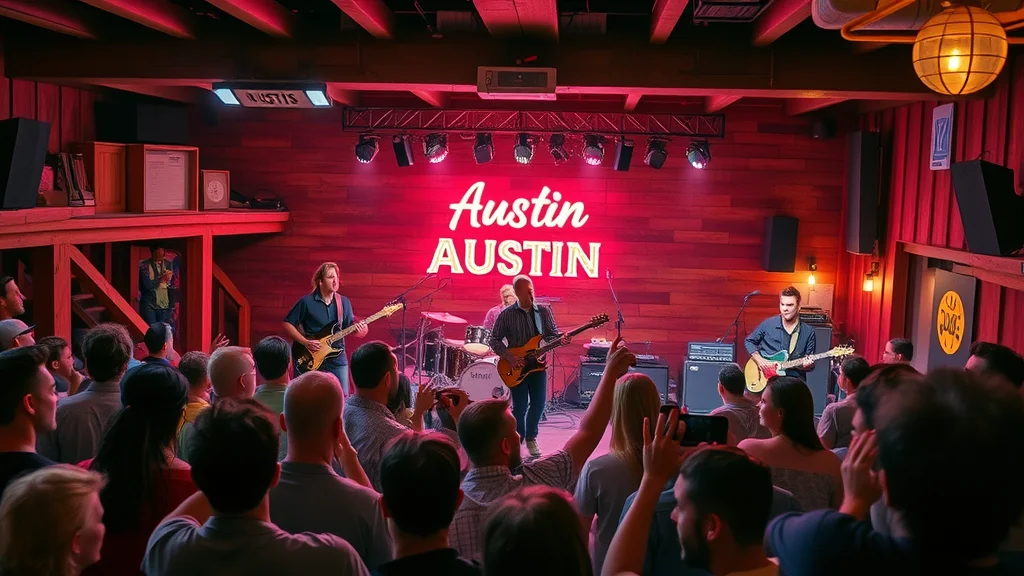
“Austin’s music scene is the heartbeat of the city.” — Local musician
Cultural Events, Food Trucks, and Austin’s Social Life
Annual festivals and events
Top food trucks and local cuisine
Pet-friendly activities

Austin’s cultural vibrancy goes well beyond live music. Major festivals, a thriving food truck scene, and unique annual events bring neighbors together and give the city its distinctive spirit. Try everything from authentic taco stands to upscale barbecue; explore quirky pop-up events; take your pup to dog-friendly cafés; and discover why Austin’s social life makes it one of the country’s most welcoming cities for singles, families, and pets alike.
Key Pitfalls to Avoid When Moving to Austin
Underestimating Austin’s Cost of Living
Many new arrivals make the mistake of focusing only on broad averages, missing how the cost of living can swing dramatically between Austin neighborhoods. Rent and home prices can climb quickly in trending areas, while everyday expenses add up in subtle ways. Doing your homework and factoring in neighborhood-specific costs is crucial for a successful start.
Traffic, Transportation, and the City of Austin’s Infrastructure
Public transportation tips
Best and worst commute times
Parking challenges in central districts

Austin’s growth has outpaced its infrastructure, making traffic a daily challenge. While bike lanes and ride-share services are improving, the city’s public transit system may not cover every commuter’s needs, especially outside downtown. Plan for congestion during rush hours and be ready for parking headaches if you live or work in central districts. Exploring alternative routes, ride-sharing, and flexible scheduling can help ease transition pains.
Seasonal Considerations: Austin Weather and Climate
How heatwaves and humidity affect new residents
Preparing for mild winters and occasional storms
Moving to Austin? Prepare for a true Texas summer: triple-digit heat and high humidity are the norm between June and September
Overlooking the Cultural Adjustment When You Move to Austin
Understanding local customs
The pace of life and Austin’s laid-back vibe
Austin’s open-minded, easygoing culture can be a delight—but it also requires adjustment. Embrace the city’s “keep it weird” motto, expect a diverse mix of people and viewpoints, and prepare for a pace of life that’s less hurried than other big cities. Being respectful and curious will help you fit right in.
People Also Ask: Moving to Austin
Is it a good idea to move to Austin, Texas?
Yes, moving to Austin is a great idea if you’re seeking economic opportunity, vibrant culture, top universities, and year-round outdoor activities. Just be sure to research the cost of living and job market so you’re prepared for city living.
What salary do you need to live comfortably in Austin?
A salary of $75,000–$90,000 is generally considered enough for a comfortable lifestyle, covering rent, daily expenses, and some savings. If you have a family, plan to increase your target for housing and other needs.
What is Dirty 6 in Austin?
‘Dirty 6’ is a nickname for East Sixth Street, home to Austin’s busiest bars, late-night music venues, and lively crowds. It’s a mainstay for nightlife, attracting locals and tourists alike.
Is $100k a good salary in Austin, Texas?
$100,000 is an excellent salary for Austin. It should comfortably cover most living expenses, let you enjoy the city of Austin’s vibrant offerings, and save for the future.
FAQs About Moving to Austin
Is Austin suitable for families? Yes, Austin has many family-friendly neighborhoods and excellent school districts.
How pet-friendly is Austin? Very! The city boasts dozens of dog parks, trails, and pet-friendly establishments.
What is the best time of year to move to Austin? Late fall through early spring often brings mild weather, making moving easier.
How diverse is the job market beyond tech? While tech is booming, Austin’s job market is diverse, with strong opportunities in education, healthcare, hospitality, and the creative arts.
Key Takeaways: Making Your Move to Austin Successful
Plan for the real cost of living in all target neighborhoods
Research the job market early before your move to Austin
Tap into Austin’s culture and outdoor lifestyle
Prepare for seasonal weather and local quirks
Your Next Steps for Moving to Austin
For readers looking to dive deeper into practical relocation advice and lifestyle essentials, Living in Austin: Things To Know Before Moving offers a detailed overview of what it's like to settle in the city—from cost of living nuances to finding your ideal neighborhood. This guide covers insider information that can help you avoid common relocation surprises and make the most of Austin’s vibrant culture. If you’re serious about moving to Austin, these resources will give you the confidence and clarity needed for a smooth transition.


Write A Comment