

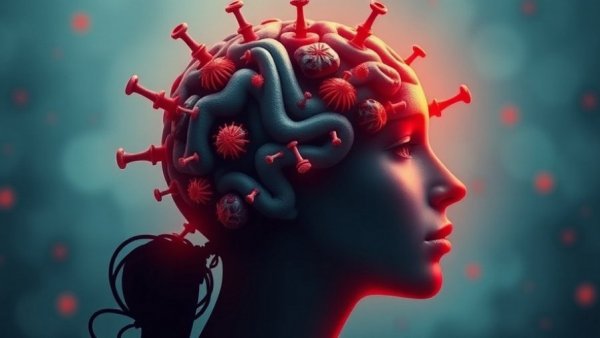
Understanding Stress and Its Impact on Immunity
The immune system operates under the radar, tirelessly working to keep us healthy. Yet, the unrelenting pressures of daily life can disrupt this crucial system. Research indicates that chronic stress elevates cortisol levels, adversely affecting our immune responses. When our bodies are inundated with stress, there’s less capacity to combat inflammation, making us more susceptible to illnesses. It's vital to grasp the intricate relationship between our mental states and physical health.
The Mind-Body Connection: How Emotions Influence Immunity
The connection between our mindset and immune health is profound and multifaceted. Studies have shown that stress and negative emotions can initiate bodily changes that lead to immune suppression. Conversely, positive emotional states—calmness and emotional balance—can trigger immune-boosting responses. Engaging in practices like psychotherapy and mindfulness can not only enhance our mental well-being but also uplift our immune resilience.
The Role of Psychosocial Interventions
Evidence supports the efficacy of psychosocial interventions like cognitive-behavioral therapy (CBT) and mindfulness meditation in enhancing immune markers. A meta-analysis in *JAMA Psychiatry* found that individuals who participated in these therapeutic approaches exhibited improved antiviral responses and lower levels of inflammatory markers. These findings suggest that actions targeting our mental states can yield tangible benefits for our physical health, reinforcing the saying that "what's good for the mind is good for the body."
Building Resilience: A Healthier You
Resilience is more than a buzzword; it’s a vital psychological tool, particularly in managing stress. Research shows that resilient individuals often demonstrate healthier immune function and better coping mechanisms than their less resilient counterparts. This ability to bounce back and maintain psychological flexibility seems to translate into more robust immune responses. Thus, building resilience could serve as a significant protective factor in achieving healthier aging and well-being.
Actionable Insights for Enhanced Health
Integrating resilience-building habits into daily life can lead to significant improvements in both mental and physical health. Whether through mindfulness techniques, supportive counseling, or proactive coping strategies, nurturing one’s mental state is a key aspect of maintaining a healthy immune system. Adopting these practices isn’t just beneficial; they can be transformative, especially for those seeking to enhance their overall well-being amidst life’s challenges.
Takeaways for Lasting Health
When we make conscious efforts to support our mental health, we also strengthen our immune defenses. It’s a reciprocal relationship, with psychological well-being directly influencing our physical health. In the vibrant community of Austin, focusing on health and wellness as a holistic process is more crucial than ever. As you explore wellness resources and events, remember to prioritize both your mental and physical health.
With the right balance, positive choices can lead to lasting benefits that extend beyond you—creating a ripple effect of health in our Austin community.
So why not take a moment today to consider how you can nurture your resilience? Engaging in activities that enhance your mental state could be your first step towards fostering a more robust immune system and an overall healthier lifestyle.





Write A Comment