

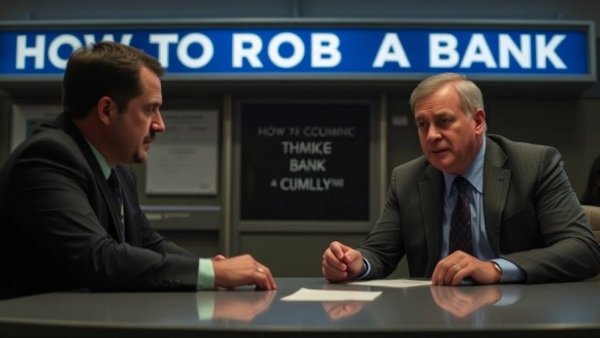
Exploring the Anarchy of YouTube Culture in Cinema
As the digital age continues to reshape our entertainment landscape, How to Rob a Bank dives headfirst into the chaotic world of YouTube culture. Set in 2026, the film cleverly mirrors the influences of social media stars and content creators who have garnered massive followings by revealing not just their lives, but their outrageous ventures. In How to Rob a Bank, the characters embrace the viral nature of their antics, turning a traditional heist film on its head. The film’s opening scene pulls audiences into a fast-paced bank robbery where everything is filmed and broadcast, creating an instant thrill but also a reflection on the absurdity of our online lives.
The Characters: A Mixed Bag of Talent
While Nicholas Hoult shines as the charismatic leader, Ryan, the film struggles with character development. The unique ensemble cast includes Anna Sawai, Pete Davidson, and Zoë Kravitz. Each actor brings a distinct flair to their roles, yet the film's pacing and tonal shifts dilute potential performances. Fans expecting rich character arcs may find themselves disenchanted as it sidelines significant narratives for more superficial thrills. For instance, while Ryan's motivations occasionally peek through, the supporting characters are often relegated to the background, rendering them less memorable. This creates a disconnect that leaves viewers wanting more depth in the characters' backstories.
The Consequence of Viral Fame: A Double-Edged Sword
One notable angle is the film's commentary on societal backlash against financial institutions. As the group set out to expose bank corruption, viewers are left questioning the morality of their methods. Are they heroes or criminals? This is a poignant observation for audiences currently grappling with feelings of distrust towards banks and corporations. This film taps into a wave of disillusionment prevalent not only in Austin but across the nation. The juxtaposition of righteous anger against the backdrop of crime makes for a compelling narrative currently resonating with many, especially in today’s climate of rising economic inequality.
Learning from the Missteps: A Cautionary Tale
For local filmmakers and budding influencers in Austin, How to Rob a Bank serves as a reminder of the importance of cohesive storytelling. The film's attempts to deliver a meaningful message get muddled by an approximately 122-minute runtime filled with diversions that detract from the core narrative. It becomes clear that while it is thrilling to ride the trends of modernity, substance should never be sacrificed at the altar of spectacle. The filmmakers present intriguing ideas but struggle to fully realize them, ultimately providing a film that feels more like a series of disjointed vignettes rather than a fluid story.
Local Influence and Global Trends
In a city like Austin, where lifestyle influences are abundant and creativity runs deep, juxtaposing local narratives with global trends can yield fascinating stories. The interplay between content creation and fiction in How to Rob a Bank exemplifies the challenges of seamlessly merging these worlds for the right impact. Local artists often pull inspiration from their environments, leading to authentic storytelling that resonates with communities. This union of local artistry and mainstream appeals might inspire homegrown storytellers to innovate but reminds them to honor authenticity over virality.
Final Thoughts on the Viewing Experience
The film arrives in Austin theaters on November 13, inviting audiences to not only enjoy the chaos but also reflect on its deeper implications, aligning with the city’s vibrant cultural narrative. Viewers should be prepared for a somewhat erratic journey that, while featuring notable performances, ultimately grapples with a muddled message. If you seek entertainment that challenges the norm while addressing critical social issues, How to Rob a Bank offers a unique spectacle—one filled with moments of brilliance but also reminders of the need for better pacing and cohesive storytelling. Keep a lookout for the film, as it may spur discussions long after the credits roll.





Write A Comment