 Add Element
  Add Row

Unpacking Austin Economic Development: Surprising Trends and Unconventional Facts
What’s really pushing this rapid change? This in-depth editorial explores the key factors behind Austin economic development, reveals hidden dynamics, and gives you the knowledge to engage with the city’s future
Austin economic development is much more than booming skyscrapers and tech headquarters. It's a story of strategic investment, vibrant cultural identity, and unconventional partnerships. While cities across the United States have struggled to maintain steady growth, Austin stands apart with its dynamic blend of creativity and commerce. Public policy innovation, an influx of talent from across the globe, and an eager business environment position Austin as a model for urban expansion.
Even jet engine manufacturers have chosen Austin for research and development, underlining the city’s broad pull. The development department has been leveraging data to guide sustainable growth, resulting in an ecosystem where tech giants and small businesses alike contribute to the jet-engine pace of progress.
These trends aren’t just reshaping downtown. From Colony Park to the rock metro suburbs, Austin economic development is driving changes in real estate markets, transportation infrastructure, and public amenities. The city’s annual report regularly highlights an uptick in new business formations, especially in creative industries and high-tech fields. Central Texas is transforming before our very eyes, propelled by a collaborative regional spirit. Austin has learned to invest wisely, fostering workforce mobility and strengthening its position as a leader in the global market.
How tech, policy, and creativity fuel Austin’s record-breaking growth
Why partnerships with nearby Round Rock are crucial for success
The controversial side: gentrification and small business struggles
Key data points and expert opinions that reveal the real story
What Austin residents can do to shape the future
"Austin's economic development has repeatedly outpaced national averages in both employment and population influx." – Local economic analyst
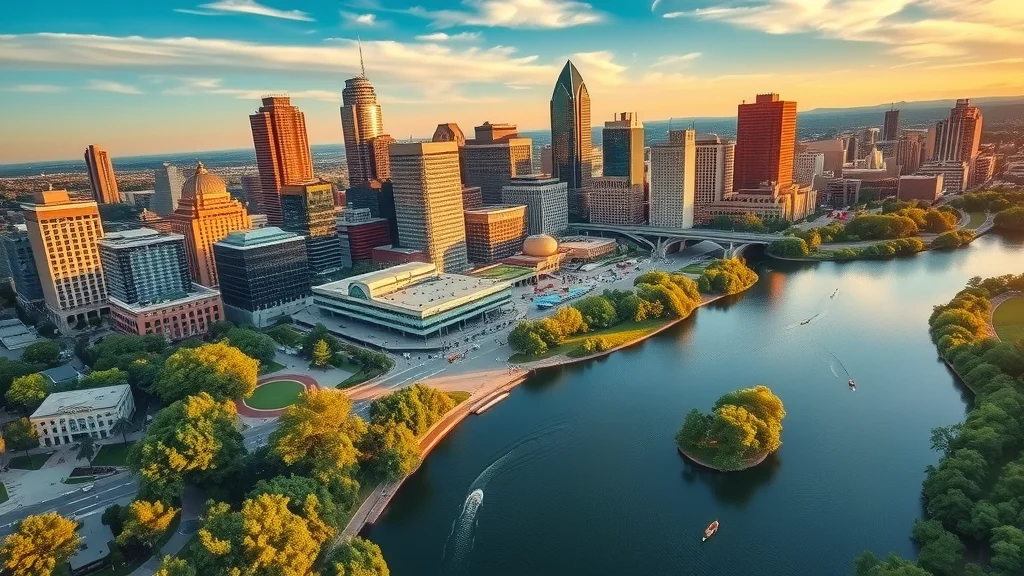
The Pillars of Austin Economic Development: Downtown Expansion & Beyond
The foundation of Austin economic development rests on four key pillars: the explosive growth of the tech sector, the rise of creative industries, forward-thinking public policy, and a thriving small business community. Downtown Austin serves as the showcase for this transformation, with new residential towers, collaborative public spaces, and major infrastructure improvements appearing at a rapid pace. Major players like Dell Technologies, which originated in nearby Round Rock, and global companies have deepened Austin’s roots as a technology hub, but the city’s DNA is made richer by homegrown music venues, murals, and muralists that draw on its creative history.
Beyond downtown, the impact of economic growth can be seen in suburbs like Colony Park and in the evolving commercial corridors around the region. Public infrastructure projects such as new transit lines and airport expansions further enhance business environment conditions and appeal to a wide range of business sectors. The City of Austin’s Economic Development Department steers these efforts, using insights from the official website and annual reports to anticipate market conditions. Local initiatives—often in partnership with Austin Community College and the University of Texas at Austin—provide workforce development that supports innovation in strategic investment, public infrastructure, and urban connectivity.
As Austin’s business landscape evolves, the arrival of major players like Spinner’s new headquarters is a prime example of how strategic investments are reshaping the city’s economic future. For a closer look at how high-profile business moves are influencing local growth, explore the impact of Spinner's HQ on Austin’s business environment and what it signals for the region.
Tech sector growth: From startups to global headquarters, innovation is king in Austin economic development.
Creative industries: Music, visual arts, and film industries bolster the city’s cultural and economic landscape.
Public policy: Smart incentives and transparent city planning create a welcoming business environment.
Small business: Local shops and services add depth, resilience, and community value to the city's economic tapestry.
How Round Rock Influences Austin Economic Development
The role of Round Rock in Austin’s economic development story cannot be overstated. Though often seen as a suburb of Austin, Round Rock has become a force on its own, creating a mutually beneficial relationship with Austin’s economic apparatus. As home to industry leaders like Dell Technologies, Round Rock directly shapes the Austin metro’s employment landscape and technological prowess. Easy commutes and robust transportation links mean that workforce mobility between the two cities is seamless, with many professionals living in one city and working in the other.
Regional collaboration with Round Rock enables shared public infrastructure, such as improved highways and expanded international air access from Austin’s airport. Through incentive inquiry, forward-thinking leaders ensure that strategic investment reaches both urban and suburban areas, amplifying the region’s appeal to both established companies and startups. From shared education partnerships with Austin Community College and the University of Texas at Austin to coordinated business environment initiatives, Round Rock is integral to Austin economic development—and ensures the rock metro region continues to thrive.

The Role of Small Business in Austin Economic Growth
Small businesses are at the core of Austin economic development. From food trucks lining Congress Avenue to innovative digital agencies in East Austin, these enterprises foster creativity and adaptability, hallmarks of Austin’s famed business environment. Small businesses account for a significant share of job creation and neighborhood vibrancy, often leading trends in retail, sustainable practices, and community-driven investment.
Yet, small business owners face increasing pressure as real estate prices soar and competition for talent intensifies. While the city’s Economic Development Department has launched support programs, some proprietors find themselves squeezed by shifting market conditions and policy changes. Proactive steps—like access to business development resources and streamlined incentives—remain essential to ensuring that small businesses retain their vital role in Austin economic growth. In the end, their ability to innovate alongside tech giants is what keeps Austin’s economy dynamic and resilient.
Round Rock and Regional Partnerships: Fueling Economic Development
True economic growth in Austin increasingly depends on strong partnerships with surrounding areas, especially Round Rock. Regional collaboration means more than just sharing a border; it's a purposeful alignment of workforce initiatives, shared innovation, and joint investments in public infrastructure. For example, the expansion of mass transit and the enhancement of international air access attract talent and capital to the region, keeping Austin and Round Rock ahead of market trends.
Multi-city partnerships, highlighted through annual report data, improve infrastructure and foster a range of business opportunities. Regional economic development departments leverage local expertise—such as the rock metro's focus on logistics and tech, or Austin’s strengths in cultural and creative industries—for collective growth. As the economic engine for central Texas, these partnerships build resilience against market disruptions and ensure a healthy balance of opportunity throughout the area.
Workforce mobility: Easier commutes, diverse job opportunities across Austin and Round Rock
Shared innovation: University partnerships, incubators, and research centers tap a cross-city talent pool
Infrastructure improvement: Joint investments in transportation, utilities, and green spaces benefit all
"Collaboration with Round Rock and other regional partners supercharges Austin's economic development." – Chad Swiatecki

Challenges and Controversies in Austin Economic Development
Austin economic development has not been without controversy. The same forces driving economic growth also bring challenges: rising housing costs, gentrification, and questions about the long-term sustainability of the boom. As high-income professionals pour into the city, longtime residents face increasing displacement, while once-affordable neighborhoods are transformed into luxury enclaves.
This tension is especially visible in the city’s hottest districts, where the cost of real estate sometimes outpaces wage gains and new development replaces historic venues and family-owned shops. The city’s development department frequently faces tough decisions, with community voices pushing for more inclusive policies that balance growth with equity and affordability. Addressing these challenges requires not only data-driven policies but also a commitment to preserving the essence of Austin's community and cultural identity.
Gentrification and the Cost of Economic Growth
There is no ignoring the downside of fast-paced economic development: gentrification. Many Austin residents have watched as their neighborhoods change almost overnight, with older homes replaced by modern condos and longtime businesses struggling to stay afloat. The famous quirks of Austin’s neighborhoods—murals, local coffee shops, tight-knit communities—are sometimes lost amid waves of new development.
The impact of Austin's growth is not felt equally. Families who have lived in Colony Park or South Austin for generations now compete with new arrivals in a red-hot real estate market. While city officials have made some attempts to address these concerns—like affordable housing initiatives and incentive inquiry for local businesses—much of the city’s future depends on the balance struck between innovation and inclusion.
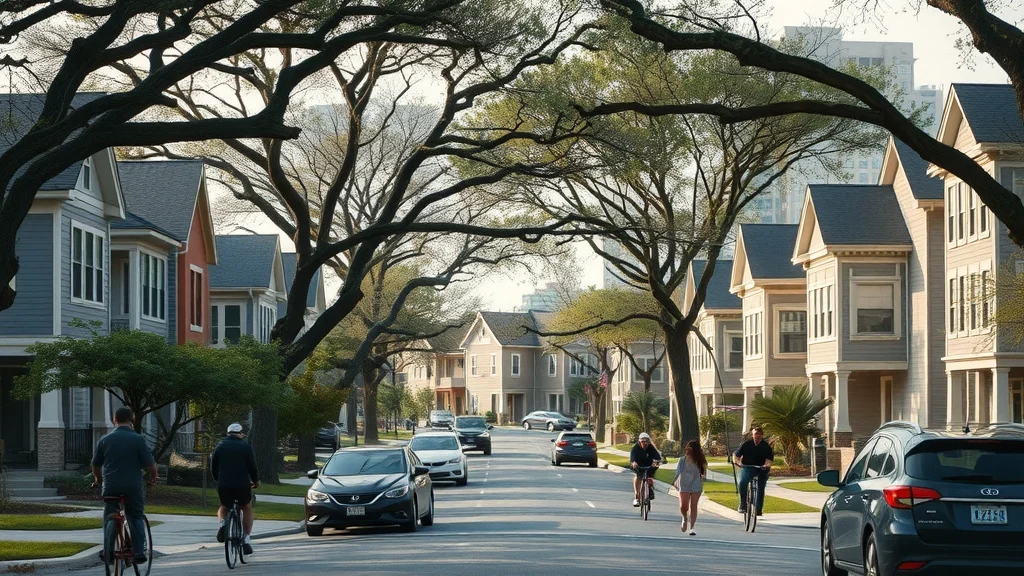
Small Businesses: Winners or Losers in the Boom?
For small businesses, Austin economic development is a double-edged sword. On one hand, increased foot traffic, higher-profile clientele, and better infrastructure offer new opportunities. Yet rising rents and increased competition from large chains often threaten local entrepreneurs. Some owners have thrived by innovating and adapting to new trends, but others have been forced to close their doors—many before realizing the full potential of Austin’s expanding business environment.
Data from the city’s annual report and the Austin Monitor reveal that while the number of small business formations has increased, so too has the rate of closures—especially in high-growth districts. The city and regional partners need to ensure that development incentives reach not just major tech firms but also the bakeries, boutiques, and neighborhood shops that give Austin its unique flavor. Preserving the range of business ownership is essential to maintaining both economic and cultural vibrancy as Austin continues its transformation.
Comparison of Economic Indicators Before and After the Tech Boom in Austin |
||
Indicator |
Pre-Tech Boom (2009) |
Post-Tech Boom (2024) |
|---|---|---|
Job Growth (%) |
2.1% |
5.5% |
Median Salary |
$39,700 |
$62,000 |
Small Business Formations |
4,800 |
12,500 |
Median Home Price |
$187,000 |
$558,000 |
Population Growth Rate |
~1.9% |
3.8% |
Austin Economic Development: Data Deep-Dive
To really understand Austin economic development, it’s helpful to look at the numbers. Annual reports from the City of Austin and Round Rock show an upward trend in nearly every important metric—job creation, new business licenses, and median salaries outpace trends in both Texas and the broader United States. For example, the partnership between Austin and Round Rock has enabled greater workforce mobility, making it easier for companies to recruit top talent across the central Texas region.
The data also shows that after the tech boom, business environments across Austin and Round Rock have diversified. While tech and creative industries still dominate, growth in health care, logistics (including international air shipments), and public infrastructure have increased the stability and resilience of both cities. These shifts highlight why regional cooperation and smart public policy are core to future-proofing Austin’s prosperity. The economic development department continuously tracks these metrics to refine incentives, improve support programs, and ensure a balanced roll-out of business opportunities.
Economic Development Metrics for Austin and Round Rock by Year |
||||||
Year |
Job Growth (Austin) |
Job Growth (Round Rock) |
Median Salary (Austin) |
Median Salary (Round Rock) |
Business Formations (Austin) |
Business Formations (Round Rock) |
|---|---|---|---|---|---|---|
2015 |
4.1% |
3.7% |
$46,500 |
$43,200 |
6,200 |
1,050 |
2018 |
4.7% |
4.0% |
$53,700 |
$47,500 |
8,300 |
1,210 |
2024 |
5.5% |
5.2% |
$62,000 |
$55,500 |
12,500 |
1,740 |
Expert Opinions: Voices Shaping Austin Economic Development
The narrative of Austin economic development is shaped not just by data, but by the people making decisions on the ground. Policymakers, analysts, and community stakeholders have all influenced the direction and character of the city’s growth. Much of Austin’s unique approach can be traced to its willingness to experiment—embracing new policies that prioritize inclusion and innovation, even in the face of controversy.
Local experts, like Chad Swiatecki, have observed how open policymaking has contributed to Austin’s remarkable trajectory. Their insights, often featured on the Austin Monitor or the city’s official website, underscore the need to continually evaluate incentives, strengthen collaboration, and ensure that growth benefits as many people as possible. As the metro region evolves, these voices remain crucial for adapting strategy and maintaining Austin’s distinct identity.
"Austin's policy approach is unique in its openness to innovation, but this comes with real challenges for local communities." – Local policymaker
Chad Swiatecki on the Evolution of Austin Economic Policy
Chad Swiatecki is a respected voice in the ongoing discussion around Austin economic development. His analysis regularly appears in the Austin Monitor, where he reviews successes and shortcomings of the city’s economic strategies. Swiatecki has pointed out that Austin's economic policy stands out for its emphasis on flexibility and inclusivity—encouraging collaboration with neighboring cities like Round Rock and engaging diverse community interests.
According to Swiatecki, the biggest challenge ahead is ensuring that public infrastructure investment translates into opportunity for all Austinites, including small businesses and vulnerable populations. He advocates for strategic incentives that support both high-growth industries and longtime local entrepreneurs. As Swiatecki puts it, the city’s next phase must be defined by “deliberate choices that preserve affordability, sustain unique cultural identity, and drive resilient, sustainable economic growth for the whole region.”

People Also Ask About Austin Economic Development
What is driving Austin's economic growth?
Austin’s economic growth is primarily propelled by its burgeoning tech industry, a vibrant cultural scene, proactive city planning, and a collaborative regional approach that includes Round Rock and other neighboring areas.
How does Austin Economic Development impact small businesses?
Austin economic development creates new opportunities and challenges for small businesses, fostering innovation and competition, while also increasing the pressure of rising costs and market saturation.
How is Round Rock contributing to Austin economic development?
Round Rock contributes by strengthening workforce mobility, providing business infrastructure, and collaborating on multi-city initiatives that expand the region’s appeal to large and small businesses alike.
FAQs on Austin Economic Development
What industries are benefiting most from Austin economic development?
Is Austin’s economic growth sustainable?
What steps are being taken to support small businesses during rapid development?
Key Takeaways: The Future of Austin Economic Development
Tech industry and public policy remain pivotal for Austin economic development.
Regional partnerships like Round Rock are central to continued growth.
Balancing growth with affordability and inclusion is Austin’s next great challenge.
Final Thoughts on Austin Economic Development and How You Can Get Involved
Want to shape Austin’s future? Connect with local initiatives, attend city planning meetings, and support small business development in your community
As Austin continues to evolve, understanding the city’s economic trajectory is more important than ever. If you’re interested in what lies ahead for the region, including expert forecasts and the factors that could shape the next wave of growth, don’t miss the forward-looking analysis in Austin Economic Development 2026 Predictions: Growth Ahead!. This resource offers valuable insights into resilience strategies, emerging opportunities, and how residents and businesses alike can prepare for the future. Dive deeper to stay ahead of the curve and play an active role in Austin’s ongoing success story.
For further reading on the unique factors driving economic growth in Austin, consider the in-depth resource Austin Business Areas: Where Texas’ Capital City Shines. This comprehensive guide explores how Austin’s diverse business neighborhoods and strategic initiatives contribute to its leading-edge economic success, providing practical context for the trends and partnerships discussed above. If you’re serious about understanding what makes Austin’s economic development so robust and how you can leverage emerging opportunities, this resource will give you actionable insights and a local perspective.


Write A Comment